疾病自然疗法
分享&收藏高甘油三酯自然疗法
某些血脂水平的增高 (即 “高脂血”) 会导致心脏病。为了检测是否有高脂血症,医生通过一种称为 “脂质分析” 的血液学检查来诊断。脂质分析主要是检测体内 “甘油三酯” 以及两种类型的胆固醇的含量。这两种胆固醇是指 “低密度脂蛋白” (LDL,也就是常说的 “坏” 胆固醇) 和 “高密度脂蛋白” (HDL,即所谓的 “好” 胆固醇)。许多患有高脂血症的人主要表现为 LDL 偏高。他汀类药物对治疗这种类型的高脂血症有显著的效果。

然而,对于某些高脂血症患者,甘油三酯偏高 (High triglyceride) 是最主要的问题。和 LDL 偏高一样,甘油三酯偏高也会大大地提高患心脏病的风险。此外,如果甘油三酯升高到一定的水平,胰腺可能会出现炎症,从而引起一种被称为胰腺炎的危险疾病。甘油三酯偏高还可能引发一种称为 “黄瘤” (Xanthomas) 的皮肤疾病。甘油三酯水平升高的常见原因有遗传因素、糖尿病、饮酒过量、以及一些药物 (包括雌激素、三苯氧胺、糖皮质激素、噻嗪类利尿剂和一些 β 受体阻滞剂)。
他汀类药物对治疗高甘油三酯可能疗效不佳。这些病人可能需要服用高剂量的烟酸或者贝特类药物。运动对降低甘油三酯也会帮助。改变饮食,除非出现体重减轻的情况,不然可能没有什么帮助,而 “低脂肪高碳水化合物饮食” 实际上会增高甘油三酯水平。
对降低甘油三酯可能有帮助的自然疗法包括:
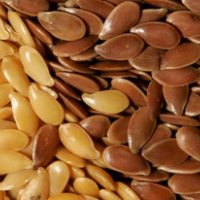
- 鱼油: 鱼油是 omega-3 脂肪酸的一个来源。这些健康的脂肪是人体所必需的。鱼油已经在治疗高甘油三酯血症方面显示出良好的应用前景。到目前为止已有2000多人参与了多项有关鱼油在降低甘油三酯水平中的疗效的研究。大多数的研究历时大约7至10个星期。结果显示补充鱼油可以降低甘油三酯约 25~30% 的水平 (其效果比 “吉非洛齐” 这种标准的治疗药物稍微差一些)。有人专门研究了鱼油在降低糖尿病患者甘油三酯水平的安全性和疗效,结果显示鱼油是安全和有效的。此外,研究人员还发现,使用他汀类药物控制血脂的人联合使用鱼油则可以获得更好的效果。鱼油的类似物 (乙基-omega-3 脂肪酸) 已经获得美国 FDA 的批准可作为药物用于治疗高甘油三酯血症。亚麻油 (Flax oil) 也含有 omega-3 脂肪酸,但是稍不同于鱼油所含的成分。有人提出将亚麻油作为鱼油的替代品,因为它不会引起有鱼腥味的嗝气。然而,研究发现亚麻油在降低甘油三酯中的作用没有鱼油来的有效。
- 其它自然疗法: 许多研究表明大豆能够降低总胆固醇和低密度脂蛋白水平,尤其是用它来代替食物中的动物蛋白时。大豆也能轻度地降低甘油三酯水平。另外,一种营养品 “潘特生” (Pantethine) 被广泛地作为自然疗法用于治疗高甘油三酯血症。然而,支持其作用的依据还比较薄弱。

参考文献
- Harris WS. N-3 fatty acids and serum lipoproteins: human studies. Am J Clin Nutr. 1997;65(Suppl 5):S1645-S1654.
- van Dam M, Stalenhoef AF, Wittekoek J, et al. Efficacy of concentrated n-3 fatty acids in hypertriglyceridaemia: a comparison with gemfibrozil. Clin Drug Invest. 2001;21:175-181.
- Montori VM, Farmer A, Wollan PC, et al. Fish oil supplementation in type 2 diabetes: a quantitative systematic review. Diabetes Care. 2000;23:1407-1415.
- Durrington PN, Bhatnagar D, Mackness MI, et al. An omega-3 polyunsaturated fatty acid concentrate administered for one year decreased triglycerides in simvastatin treated patients with coronary heart disease and persisting hypertriglyceridaemia. Heart. 2001;85:544-548.
- Mori TA, Burke V, Puddey IB, et al. Purified eicosapentaenoic and docosahexaenoic acids have differential effects on serum lipids and lipoproteins, LDL particle size, glucose, and insulin in mildly hyperlipidemic men. Am J Clin Nutr. 2000;71:1085-1094.
- Rambjor GS, Walen AI, Windsor SL. Eicosapentaenoic acid is primarily responsible for hypotriglyceridemic effect of fish oil in humans. Lipids. 1996;31(Suppl):S45-S49.
- Agren JJ, Hanninen O, Julkunen A, et al. Fish diet, fish oil and docosahexaenoic acid rich oil lower fasting and postprandial plasma lipid levels. Eur J Clin Nutr. 1996;50:765-771.
- Childs MT, King IB, Knopp RH. Divergent lipoprotein responses to fish oils with various ratios of eicosapentaenoic acid and docosahexaenoic acid. Am J Clin Nutr. 1990;52:632-639.
- Davidson MH, Maki KC, Kalkowski J, et al. Effects of docosahexaenoic acid on serum lipoproteins in patients with combined hyperlipidemia: a randomized, double-blind, placebo-controlled trial. J Am Coll Nutr. 1997;16:236-243.
- Leigh-Firbank EC, Minihane AM, Minihane AM, et al. Eicosapentaenoic acid and docosahexaenoic acid from fish oils: differential associations with lipid responses. Br J Nutr. 2002;87:435-445.
- Anderson JW, Johnstone BM, Cook-Newell ME. Meta-analysis of the effects of soy protein intake on serum lipids. N Engl J Med. 1995;333:276-281.
- Gaddi A, Descovich GC, Noseda G, et al. Controlled evaluation of pantethine, a natural hypolipidemic compound, in patients with different forms of hyperlipoproteinemia. Atherosclerosis. 1984;50:73-83.
- Angelico M, Pinto G, Ciaccheri C, et al. Improvement in serum lipid profile in hyperlipoproteinaemic patients after treatment with pantethine: a crossover, double-blind trial versus placebo. Curr Ther Res. 1983;33:1091-1097.
- Bertolini S, Donati C, Elicio N, et al. Lipoprotein changes induced by pantethine in hyperlipoproteinemic patients: adults and children. Int J Clin Pharmacol Ther Toxicol. 1986;24:630-637.
- Rubba R, Postiglione A, De Simone B, et al. Comparative evaluation of the lipid-lowering effects of fenofibrate and pantethine in type II hyperlipoproteinemia. Curr Ther Res. 1985;38:719-727.
- Da Col PG, Cattin L, Fonda M, et al. Pantethine in the treatment of hypercholesterolemia: a randomized double-blind trial versus tiadenol. Curr Ther Res. 1984;36:314-322.
- Schwellenbach LJ, Olson KL, McConnell KJ, et al. The triglyceride-lowering effects of a modest dose of docosahexaenoic acid alone versus in combination with low-dose eicosapentaenoic acid in patients with coronary artery disease and elevated triglycerides. J Am Coll Nutr. 2006;25:480-5.
- McKenney JM, Sica D. Prescription omega-3 fatty acids for the treatment of hypertriglyceridemia. Am J Health Syst Pharm. 2007;64:595-605.
- Meyer BJ, Hammervold T, Rustan AC, et al. Dose-dependent effects of docosahexaenoic acid supplementation on blood lipids in statin-treated hyperlipidaemic subjects. Lipids. 2007;42:109-15.