疾病自然疗法
分享&收藏骨关节炎自然疗法
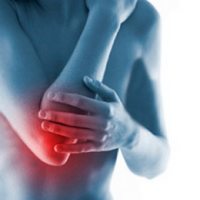
骨关节炎 (Osteoarthritis) 是指关节软骨受损,进而影响关节灵活自如地活动,临床上表现为关节的红肿、疼痛和畸形,其疼痛特点为运动时加重,休息时缓解。骨关节炎的常规治疗主要是服用抗炎药,比如萘普生、西乐葆等。不好的是,服用这些抗炎药物可能会导致消化道溃疡等副作用。另外,由于会干扰关节软骨的修复,服用这些抗炎药物实际上可能会加快关节软骨的破坏和骨关节炎的进一步恶化。与之相比,以下的一些自然疗法可能可以减缓疾病的进程:

- 氨基葡萄糖 (Glucosamine):有证据表明氨基葡萄糖可以使中轻度骨关节炎的症状减轻,甚至可以减缓骨关节炎的恶化。一项历时3年的双盲试验研究了212名膝关节炎患者,他们分别被给予了安慰剂或者氨基葡萄糖治疗。研究结果显示治疗组患者在疼痛和活动度方面都有所好转,而对照组患者的病情则进一步加重。X线片提示氨基葡萄糖治疗阻止了膝关节的进行性病损。氨基葡萄糖可能是通过两种作用起效的:1) 刺激关节内的软骨细胞合成对于膝关节活动至关重要的蛋白聚糖和胶原; 2) 阻止原有胶原的分解破坏。
- 硫酸软骨素 (Chondroitin Sulfate):硫酸软骨素常与氨基葡萄糖联用。一些双盲试验证实硫酸软骨素可以缓解骨关节炎的症状并减慢其发展速度。比如,一项历时6个月的试验研究了85名膝关节患者,他们被分别给予了硫酸软骨素 (每天两次,每次400mg) 或者安慰剂治疗。6个月后,硫酸软骨素组中有 69% 的患者病情改善被认为好或者很好,而对照组只有 32% 的患者达到了这种程度。另外一种评价方式是通过观察患者的最快步行速度,在整个试验期间,治疗组患者的最快步行速度得到了逐步提高,而对照组则没有变化。治疗组在其他一些反应骨关节炎程度的指标也有所改善,比如疼痛等级在1个月的时间里就有明显改善。这表明硫酸软骨素能够阻止关节炎病情的恶化。
- 腺苷甲硫氨酸 (SAMe):有大量科学研究证实 SAMe 可以缓解骨关节炎的症状。很多双盲试验 (总人数超过1000人) 表明:SAMe 的疗效与正规的抗炎药治疗效果相差无几,只是 SAMe 需要服用至少4周才能体现出疗效。
- 鳄梨/大豆非皂化物 (ASUs):ASUs 是从鳄梨和大豆中提取而成,有总人数达几百人的多项研究表明其在骨关节炎治疗方面颇有前景。比如在一项为期3月的双盲试验中,260名膝关节炎患者分别被给予了安慰剂或 ASUs 治疗,治疗剂量为每天300mg。结果显示:与对照组相比,服用 ASUs 可以显著改善关节炎的症状。

参考文献
- Brandt KD. Effects of nonsteroidal anti-inflammatory drugs on chondrocyte metabolism in vitro and in vivo. Am J Med. 1987;83(5A):29-34.
- Brooks PM, Potter SR, Buchanan WW. NSAID and osteoarthritis—help or hindrance? J Rheumatol. 1982;9:3-5.
- Shield MJ. Anti-inflammatory drugs and their effects on cartilage synthesis and renal function. Eur J Rheumatol Inflamm. 1993;13:7-16.
- Palmoski MJ, Brandt KD. Effects of some nonsteroidal antiinflammatory drugs on proteoglycan metabolism and organization in canine articular cartilage. Arthritis Rheum. 1980;23:1010-1020.
- Rashad S, Revell P, Hemingway A et al. Effect of non-steroidal anti-inflammatory drugs on the course of osteoarthritis. Lancet. 1989;2:519-522.
- Jimenez SA. The effects of glucosamine on human chondrocyte gene expression. Presented at: The Ninth EULAR Symposium; October 7-10, 1996; Madrid, Spain.
- Hellio MP. The effects of glucosamine on human osteoarthritic chondrocytes. Presented at: The Ninth EULAR Symposium; October 7-10, 1996; Madrid, Spain.
- Setnikar I, Pacini MA, Revel L. Antiarthritic effects of glucosamine sulfate studied in animal models. Arzneimittelforschung. 1991;41:542-545.
- Setnikar I. Antireactive properties of "chondroprotective" drugs. Int J Tissue React. 1992;14:253-261.
- Crolle G, D'Este E. Glucosamine sulphate for the management of arthrosis: a controlled clinical investigation. Curr Med Res Opin. 1980;7:104-109.
- Reginster JY, Deroisy R, Rovati L, et al. Long-term effects of glucosamine sulphate on osteoarthritis progression: a randomised, placebo-controlled clinical trial. Lancet 2001;357:251-256.
- Hungerford DS. Treating osteoarthritis with chondroprotective agents. Orthopedic Special Edition. 1998;4:39-42.
- Bucsi L, Poor G. Efficacy and tolerability of oral chondroitin sulfate as a symptomatic slow-acting drug for osteoarthritis (SYSADOA) in the treatment of knee osteoarthritis. Osteoarthritis Cartilage. 1998;6(suppl A):31-36.
- di Padova C. S-adenosylmethionine in the treatment of osteoarthritis. Review of the clinical studies. Am J Med. 1987;83(5A):60-65.
- Appelboom T, Schuermans J, Verbruggen G, et al. Symptoms modifying effect of avocado/soybean unsaponifiables (ASU) in knee osteoarthritis. A double blind, prospective, placebo-controlled study. Scand J Rheumatol. 2001;30:242-247.
- Mauviel A, Daireaux M, Hartmann DJ, et al. Effects of unsaponifiable extracts of avocado/soy beans (PIAS) on the production of collagen by cultures of synoviocytes, articular chondrocytes and skin fibroblasts [in French]. Rev Rhum Mal Osteoartic. 1989;56:207-211.
- Mauviel A, Loyau G, Pujol JP. Effect of unsaponifiable extracts of avocado and soybean (Piascledine) on the collagenolytic action of cultures of human rheumatoid synoviocytes and rabbit articular chondrocytes treated with interleukin-1 [in French; English abstract]. Rev Rhum Mal Osteoartic. 1991;58:241-245.
- Mazieres B, Tempesta C, Tiechard M, et al. Pathologic and biochemical effects of a lipidic avocado and soya extract on an experimental post-contusive model of OA [abstract]. Osteoarthritis Cartilage. 1993;1:46.
- Boumediene K, Felisaz N, Bogdanowicz P, et al. Avocado/soya unsaponifiables enhance the expression of transforming growth factor beta1 and beta2 in cultured articular chondrocytes. Arthritis Rheum. 1999;42:148-156.
- Henrotin YE, Labasse AH, Jaspar JM, et al. Effects of three avocado/soybean unsaponifiable mixtures on metalloproteinases, cytokines and prostaglandin E2 production by human articular chondrocytes. Clin Rheumatol. 1998;17:31-39.
- Maheu E, Mazieres B, Valat JP, et al. Symptomatic efficacy of avocado/soybean unsaponifiables in the treatment of osteoarthritis of the knee and hip: a prospective, randomized, double-blind, placebo-controlled, multicenter clinical trial with a six-month treatment period and a two-month followup demonstrating a persistent effect. Arthritis Rheum. 1998;41:81-91.
- Blotman F, Maheu E, Wulwik A, et al. Efficacy and safety of avocado/soybean unsaponifiables in the treatment of symptomatic osteoarthritis of the knee and hip: a prospective, multicenter, three-month, randomized, double-blind, placebo-controlled trial. Rev Rhum Engl Ed. 1997;64:825-834.
- Appelboom T, Schuermans J, Verbruggen G, et al. Symptoms modifying effect of avocado/soybean unsaponifiables (ASU) in knee osteoarthritis. A double blind, prospective, placebo-controlled study. Scand J Rheumatol. 2001;30:242-247.
- Ernst E. Avocado-soybean unsaponifiables (ASU) for osteoarthritis—a systematic review. Clin Rheumatol. 2003;22:285-288.
- Kraemer WJ, Ratamess NA, Anderson JM et al. Effect of a cetylated fatty acid topical cream on functional mobility and quality of life of patients with osteoarthritis. J Rheumatol. 2004;31:767-74.
- Kraemer WJ, Ratamess NA, Maresh CM et al. Effects of treatment with a cetylated fatty acid topical cream on static postural stability and plantar pressure distribution in patients with knee osteoarthritis. J Strength Cond Res. 2005;19:115-121.
- Hesslink R Jr, Armstrong D 3rd, Nagendran MV, et al. Cetylated fatty acids improve knee function in patients with osteoarthritis. J Rheumatol. 2002;29:1708-1712.
- Kim LS, Axelrod LJ, Howard P, et al. Efficacy of methylsulfonylmethane (MSM) in osteoarthritis pain of the knee: a pilot clinical trial. Osteoarthritis Cartilage. 2005 Nov 22.
- Modawal A, Ferrer M, Choi HK, et al. Hyaluronic acid injections relieve knee pain. J Fam Pract. 2005;54:758-767.
- Petrella RJ, Petrella M. A prospective, randomized, double-blind, placebo controlled study to evaluate the efficacy of intraarticular hyaluronic Acid for osteoarthritis of the knee. J Rheumatol. 2006;33:951-956.
- Bellamy N, Campbell J, Robinson V, et al. Viscosupplementation for the treatment of osteoarthritis of the knee. Cochrane Database Syst Rev. 2005;CD005321.
- Salk RS, Chang TJ, D'Costa WF, et al. Sodium hyaluronate in the treatment of osteoarthritis of the ankle: a controlled, randomized, double-blind pilot study. J Bone Joint Surg Am. 2006;88:295-302.
- Fernandez Lopez JC, Ruano-Ravina A. Efficacy and safety of intraarticular hyaluronic acid in the treatment of hip osteoarthritis: a systematic review. Osteoarthritis Cartilage. 2006 Sep 14. [Epub ahead of print]
- Manheimer E, Linde K, Lao L, et al. Meta-analysis: acupuncture for osteoarthritis of the knee. Ann Intern Med. 2007;146:868-877.
- White A, Foster N, Cummings M, et al. The effectiveness of acupuncture for osteoarthritis of the knee: a systematic review. Acupunct Med. 2006;24(suppl):S40-S48.
- Lee MS, Pittler MH, Ernst E. Tai chi for osteoarthritis: a systematic review. Clin Rheumatol. 2007 Sep 14. [Epub ahead of print]
- Kalman DS, Heimer M, Valdeon A, et al. Effect of a natural extract of chicken combs with a high content of hyaluronic acid (Hyal-Joint®) on pain relief and quality of life in subjects with knee osteoarthritis: a pilot randomized double-blind placebo-controlled trial. Nutr J. 2008 Jan 21.
- Petrella RJ, Cogliano A, Decaria J. Combining two hyaluronic acids in osteoarthritis of the knee: a randomized, double-blind, placebo-controlled trial. Clin Rheumatol. 2008 Jan 17.